
Cities
Renting a car for Uber and Bolt in Wrocław: rates, zones and local practice
25.08.2026 · 8 min read
Renting a car for ride-hailing in Wrocław typically costs 550–900 PLN a week for an economy hybrid or LPG car and 900–1400 PLN for Comfort class, plus a 500–5000 PLN deposit. The city is compact, so mileage runs below Warsaw's, but its layout of islands and bridges means diversions eat time — and time, not distance, is the binding constraint here.
What a car costs
| Class | Rate / week | Deposit |
|---|---|---|
| Economy (hybrid, LPG) | 550–900 PLN | 500–1500 PLN |
| Standard | 750–1000 PLN | 1000–2500 PLN |
| Comfort / XL | 900–1400 PLN | 2000–5000 PLN |
Some Wrocław fleets advertise from 800 PLN a week for a new car, while rent-to-own programmes start around 500 PLN a week on a commitment of thirty weeks or more.
Wrocław sits below Warsaw and close to Kraków. Combined with lower mileage, that makes the real weekly cost noticeably lower than the capital's — even where the headline rate differs only slightly.
What makes this city different
Bridges rather than kilometres
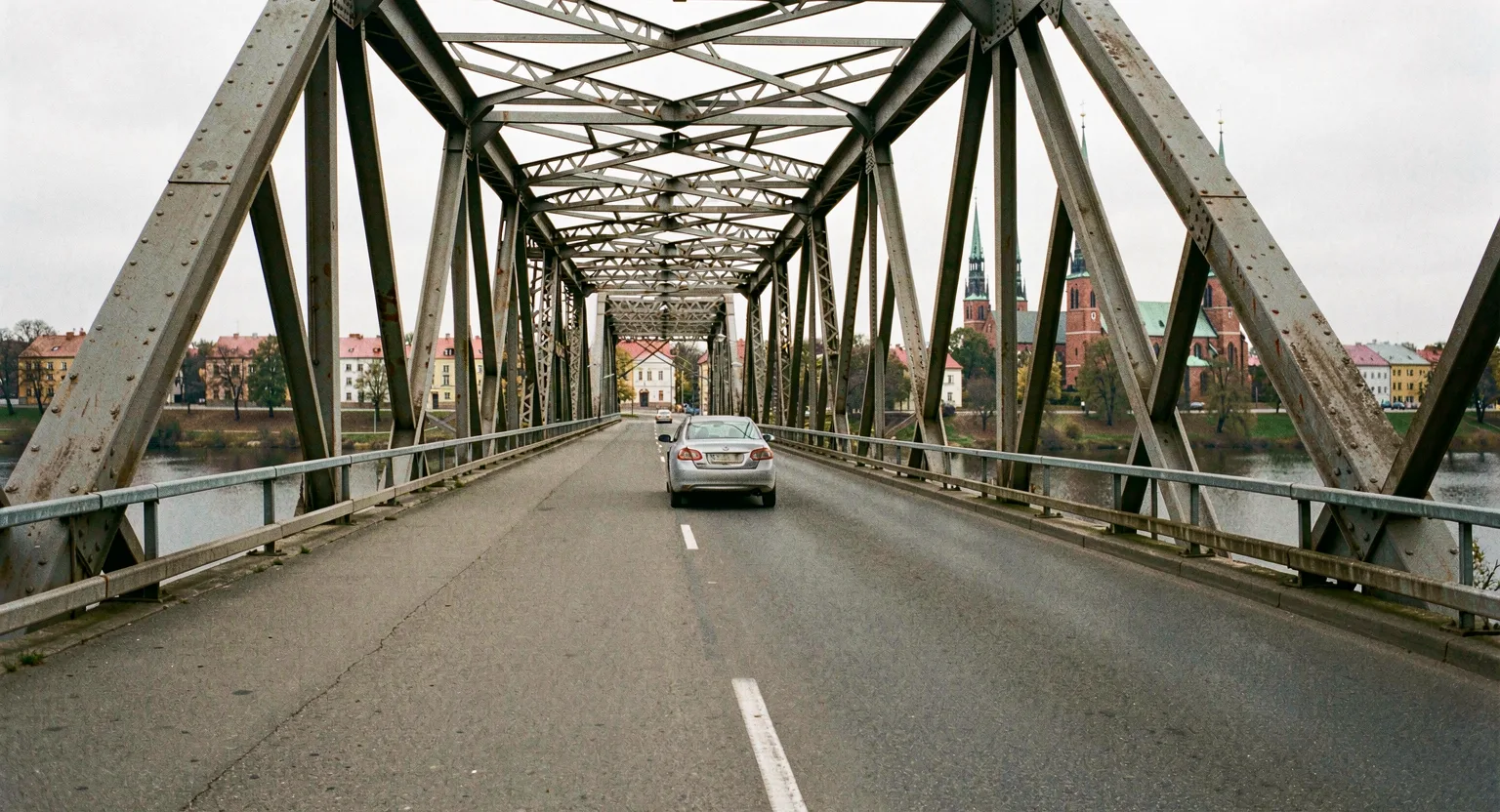
Wrocław sits on islands, so the geography works differently from a radial city. A fare from one bank to the other can be short in distance and long in minutes, because the route has to use a particular crossing.
The practical consequence: time is the constraint, not the mileage cap. Full-time weekly mileage is usually 1,600–2,000 km, so a 2,500 km cap is rarely the problem. Sitting in traffic — where you earn nothing while the rent runs — is.
Compactness works in your favour
Shorter routes mean a smaller fuel bill for the same number of fares. A hybrid recovers the difference in rent faster here than in a city with long runs, because the electric motor is working most of the time.
A student and services city
A large student population and a developed services sector produce two distinct demand rhythms: morning and afternoon weekday peaks, and a very dense Friday and Saturday evening around the restaurant districts.
When to drive
- Weekdays 07:00–09:00 — commutes to work and university, short predictable fares.
- Weekdays 15:00–18:00 — the return flow, the densest daytime window.
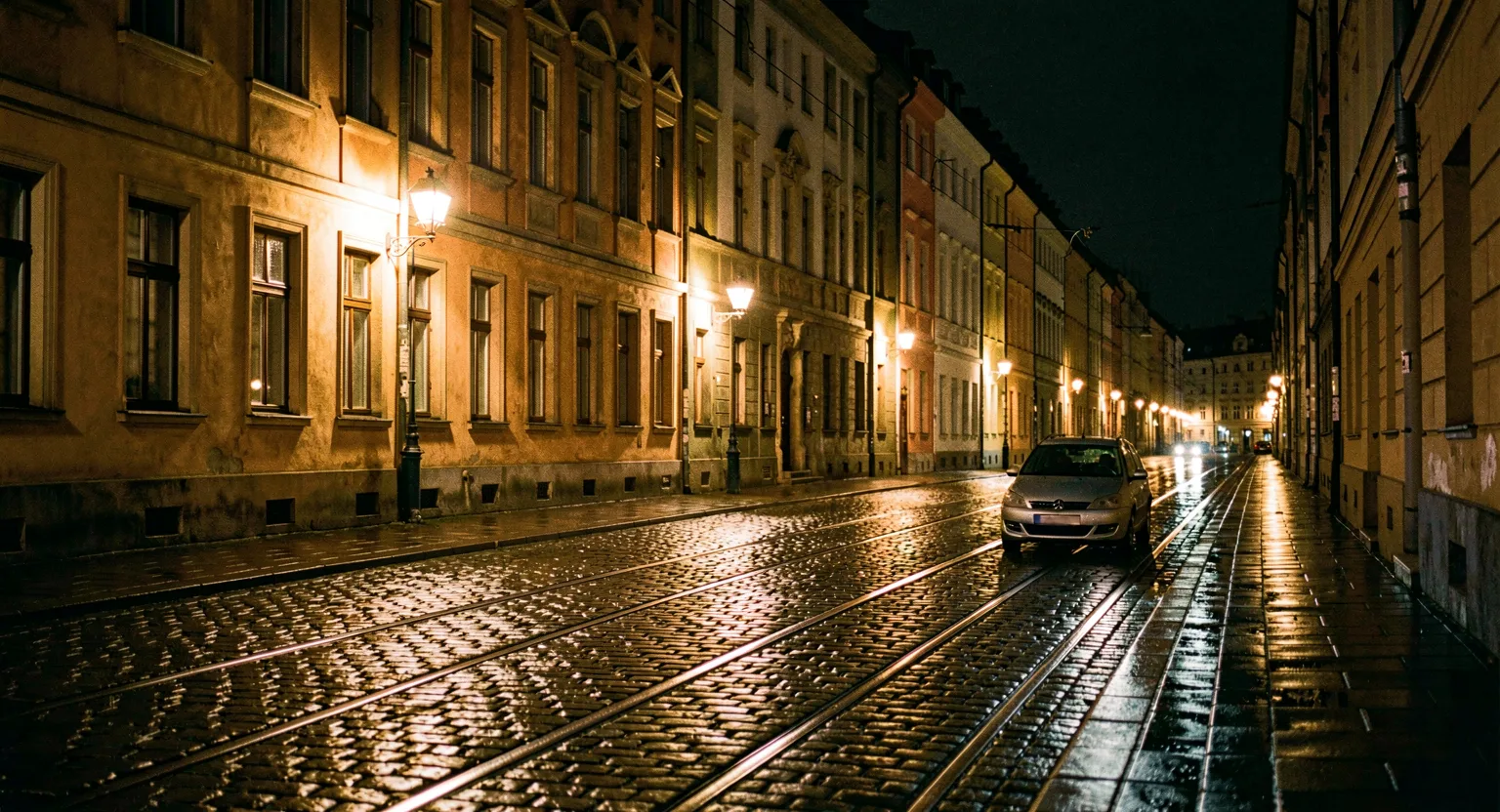
- Friday evening and Saturday night — the peak of the week, and also the worst congestion around the centre.
- Sunday morning — the weakest window, rarely worth going out for.
The difference between a driver who works "whenever" and one who holds to these windows can reach 1,000–1,500 PLN a month for identical hours.
Paperwork
No local exemptions: since 17 June 2024 a Polish driving licence is required, and foreign nationals must document at least 185 days of residence in the calendar year. The passenger transport licence comes from city hall, and the current fee should be checked there.
→ The Polish licence and the 185-day rule · The taxi licence: cost and requirements
What to check in the contract here
The order differs from the Tricity, because the risk profile does:
- The excess on a claim — minor knocks are more frequent in dense city traffic than on open roads.
- Who pays for servicing and tyres.
- Whether you may also work another fleet — at lower demand density a second app adds more here than in Warsaw.
- The mileage cap — only fourth, because it is rarely the bottleneck.
→ What renting for Bolt in Wrocław costs — full breakdown · The complete guide to renting for ride-hailing
In the ViroCars catalogue the weekly and monthly rate, deposit, mileage cap, excess and permission to work another fleet are all listing fields.
Sources: brl-auto.com (Wrocław rates) · olx.pl (market, August 2026) · boltua.com (Bolt's cities) · notesfrompoland.com
Frequently asked
Usually 550–900 PLN a week for an economy hybrid or LPG car and 900–1400 PLN for Comfort. Some fleets quote from 800 PLN a week for a new car.
Yes. It is one of seven Polish cities Bolt operates in, with a large student population and a strong services sector. Density is lower than Warsaw's — so is the competition.
Full-time, usually 1,600–2,000 km — less than Warsaw because the city is compact. A 2,500 km cap is normally enough, but confirm it.
In practice, near residential districts in the morning and near restaurant areas in the evening. Sitting at the Market Square itself during peak hours is often counterproductive because of congestion and access limits.
Both. Since 17 June 2024 an app driver needs a Polish driving licence, and a foreign national must document 185 days of residence. The passenger transport licence comes from Wrocław city hall.