
For fleets
What one car earns in a ride-hailing fleet: a three-year model
25.08.2026 · 8 min read
One economy ride-hailing car produces 2,400–3,900 PLN of gross monthly income at 550–900 PLN a week. After insurance, servicing, tyres, idle weeks and depreciation, 900–1,800 PLN remains — roughly 11,000–21,000 PLN a year. A 40,000 PLN car pays for itself in about 2–3.5 years, but covers 240,000–300,000 km doing so.
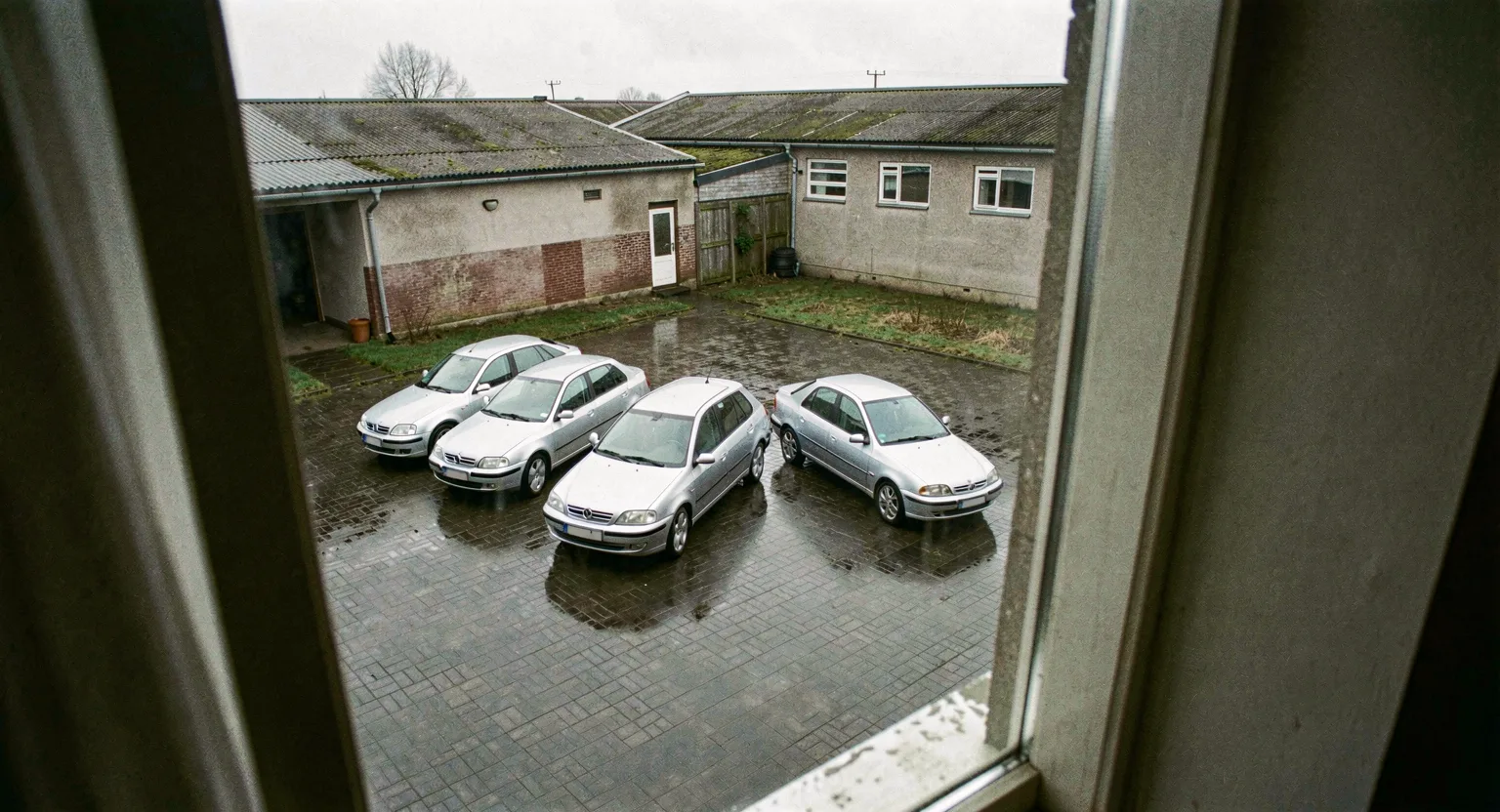
The full monthly model
Take a typical case: an economy hybrid bought for 40,000 PLN and rented at 700 PLN a week.
| Item | Per month |
|---|---|
| Gross income (700 PLN × 4.33) | +3,030 PLN |
| Insurance (TPL + comprehensive) | −330 PLN |
| Scheduled servicing | −220 PLN |
| Tyres (spread over a year) | −95 PLN |
| Idle weeks (4 a year) | −230 PLN |
| Depreciation | −550 PLN |
| Net | ≈1,605 PLN |
The first thing that stands out: gross and net differ by almost a factor of two. Treating the weekly rate as your earnings is an error of roughly 100 %.
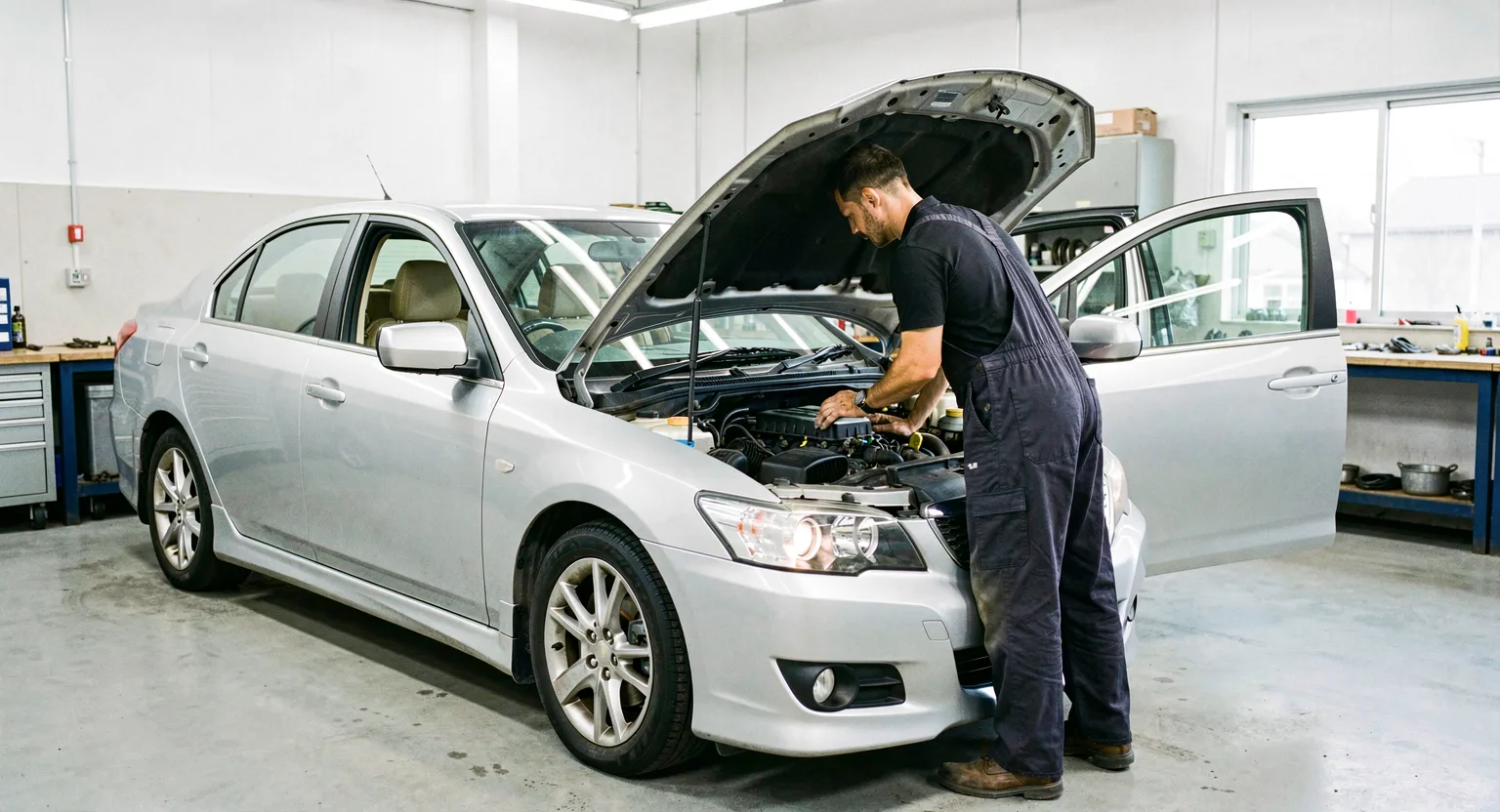
Why depreciation is the largest line
Because it appears on no invoice — which is exactly why it is the line most often left out.
An ordinary private car covers 15,000–20,000 km a year. A ride-hailing car covers 80,000–100,000. One year of taxi work ages a car roughly as much as five years of private use.
In money: a car bought at 40,000 PLN has around 270,000 km after three years of this work and is worth substantially less than half its purchase price. That difference is depreciation — a real cost, simply spread over time and invisible until you sell.
The three-year horizon
| Year | Gross income | Costs excl. depreciation | Net (incl. depreciation) |
|---|---|---|---|
| 1 | ≈36,400 PLN | ≈9,300 PLN | ≈19,300 PLN |
| 2 | ≈36,400 PLN | ≈10,800 PLN | ≈17,800 PLN |
| 3 | ≈36,400 PLN | ≈13,200 PLN | ≈15,400 PLN |
The pattern matters more than the exact figures: income stays flat while costs rise. The reason is simple — with mileage, servicing costs more, breakdowns come more often, and idle periods lengthen.
The practical conclusion: the strongest returns are in the first two years, and the decision to replace a car is taken not when it breaks but when downtime and repairs start eating the margin.

The utilisation threshold decides everything
This is the most underrated number in the model.
At 700 PLN a week, every idle week costs exactly 700 PLN and nothing compensates for it. What utilisation does:
| Weeks rented per year | Gross income | Net, approximately |
|---|---|---|
| 50 | 35,000 PLN | ≈20,000 PLN |
| 46 | 32,200 PLN | ≈17,200 PLN |
| 42 | 29,400 PLN | ≈14,400 PLN |
| 38 | 26,600 PLN | ≈11,600 PLN |
Six empty weeks instead of two removes about a third of net profit. Twelve removes almost half.
Which is why in this business a reliable renter matters more than a high rate. Someone paying 50 PLN a week less but staying beyond a month yields more over a year than someone paying more and leaving the car idle for three weeks between tenants.
→ Renting out your own car in Poland
New car or used
| New (60–80k) | Used (30–40k) | |
|---|---|---|
| Depreciation in absolute terms | higher | lower |
| Repairs | rarer | more frequent |
| Downtime | less | more |
| Payback | longer | faster |
| Rate you can ask | higher | lower |
The arithmetic usually favours used. But with one or two cars the deciding factor is not arithmetic but predictability: an unplanned two-week repair hits the annual result harder than the difference in depreciation.
What this model does not cover
Honestly, its limits:
- Tax and legal structure depend on your situation and are not included here.
- A major accident is outside the model — that is a separate risk, covered by comprehensive insurance and the contractual excess.
- Car and fuel prices move; the figures are as of August 2026.
The point of the model is not precision to the złoty but structure: where the money is, where it leaks, and which variable decides the outcome. Utilisation decides it.
→ Renting out your own car — risks and contract · What a rental includes and what it never does
On ViroCars a car is listed with its weekly and monthly rate, deposit, mileage cap and excess — the fields a driver decides on. The more complete the listing, the shorter the downtime.
Sources: market ride-hailing rental rates in Poland (August 2026) · olx.pl · abupartner.pl · brl-auto.com
Frequently asked
2,400–3,900 PLN gross a month at 550–900 PLN a week. Net of every cost including depreciation, 900–1,800 PLN remains.
A 40,000 PLN car at 1,300 PLN net a month pays back in roughly 2.5 years. By then it has covered around 250,000 km and its residual value is near the floor.
The car must be rented at least 44–46 weeks a year. Every idle week is a full week's rate lost, and six empty weeks remove about a third of the net profit.
Because it is the largest line and the only one that appears on no invoice. A ride-hailing car covers 80,000–100,000 km a year against a typical 15,000–20,000, and its market value falls accordingly.
A used car at 30,000–40,000 depreciates more slowly in absolute terms and pays back faster. A new one breaks down less and produces less downtime. With one or two cars, predictability usually beats theoretical returns.