
Renting
What a ride-hailing car rental includes — and what it never does
25.08.2026 · 7 min read
A weekly ride-hailing rental almost always covers the car itself, third-party and usually comprehensive insurance, the technical inspection, scheduled servicing and seasonal tyre changes. It never covers fuel (400–700 PLN a week), washing (30–60 PLN), your taxes and contributions, or the excess on an at-fault accident. The three items that most often surprise drivers: the excess, the excess-mileage charge, and the fleet's cut of turnover.
The short table
| Item | Usually included | Usually the driver pays |
|---|---|---|
| The car itself | ✔ | |
| Third-party insurance | ✔ | |
| Comprehensive insurance | more often yes | sometimes not — check |
| Technical inspection | ✔ | |
| Scheduled servicing | ✔ | often not in rent-to-own |
| Seasonal tyre change | ✔ | |
| Fuel | ✔ 400–700 PLN / week | |
| Washing | ✔ 30–60 PLN / week | |
| Excess on a claim | ✔ per contract | |
| Fines | ✔ | |
| Contributions and tax | ✔ if self-employed |

The three items that surprise people
1. The excess on an at-fault accident
The most common source of disputes in the whole business. A driver hears "we have full insurance" and understands "I pay nothing". In practice the comprehensive cover pays for the repair, but the excess remains — a fixed sum in the contract that you pay.
The right question is not "is there comprehensive cover" but "what is the excess, in złoty".
2. The excess-mileage charge
A 2,500 km weekly cap sounds generous until you work properly. Full-time in a large city that is 350 km a day — achievable, but with no margin. In a conurbation like the Tricity the cap runs out sooner still.
Going over costs money, and that rate is in the contract too.
3. The fleet's percentage of turnover
Some fleets take 5–10 % of your takings on top of the rent. At 5,000 PLN a week that is 250–500 PLN — more than the difference in rate between the two fleets you were comparing.
→ What percentage Bolt takes from drivers
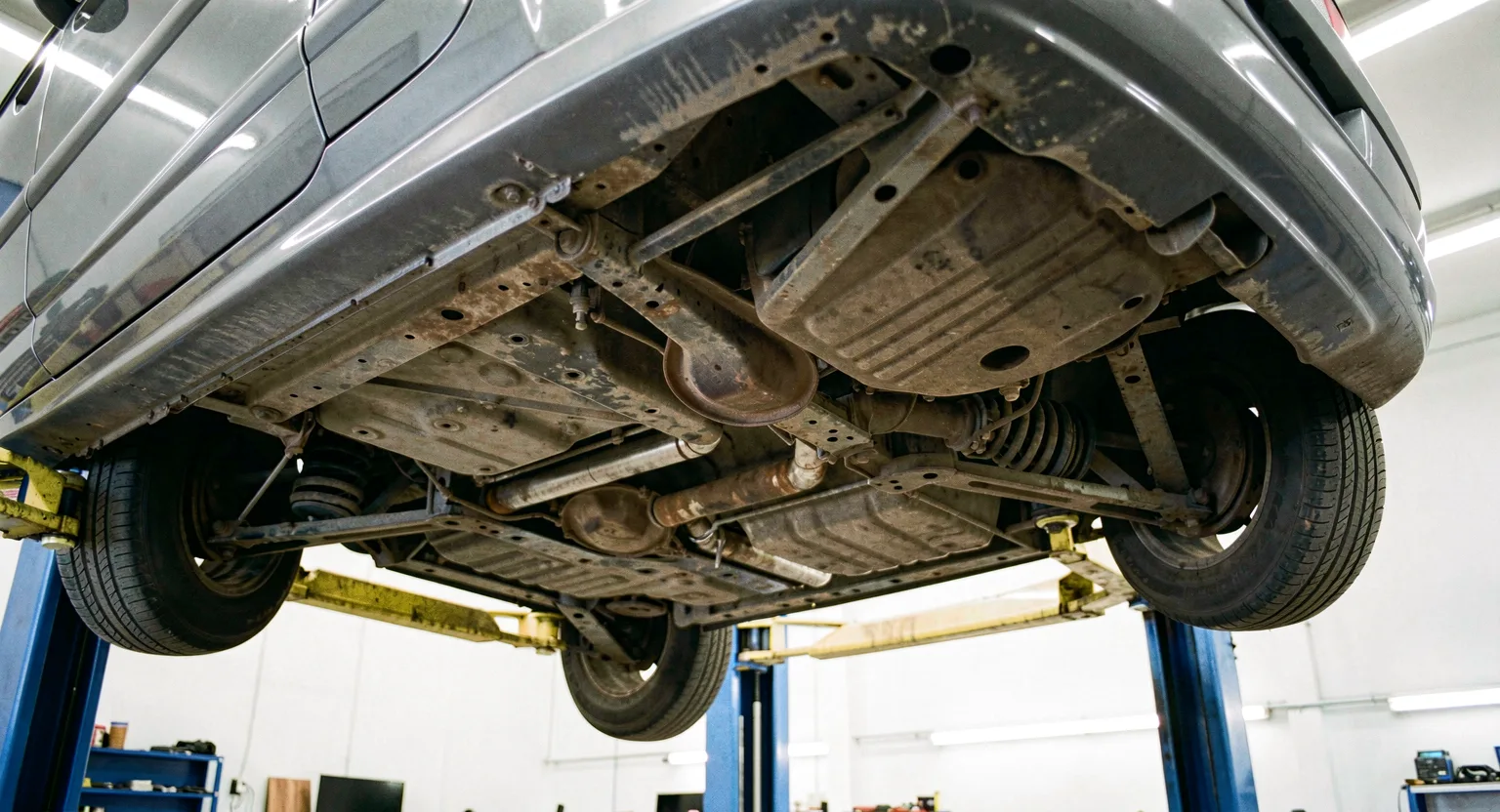
A separate matter: the car in the workshop
Almost nobody asks about this before signing, and everybody regrets it afterwards.
Cars break. The only question is who pays for the downtime:
- Good contract: rent suspended during the repair, or a replacement car provided.
- Bad contract: rent runs as normal while you earn nothing for a week.
At 750 PLN a week, a week off the road costs you 750 PLN of rent plus all the earnings you did not make. It is the one clause where the difference between two contracts runs into thousands.
How to calculate the real cost
Compare not the rate but the monthly total at your realistic mileage:
rent × 4.33
+ fuel at your mileage
+ washing
+ the fleet's percentage of turnover (if any)
+ expected excess-mileage charges
+ anything the fleet does not cover (servicing, tyres — if that applies)
Only that figure is comparable between offers. The weekly rate on its own says almost nothing — which is why two fleets both quoting 750 PLN can differ by 2,000 PLN a month.
→ The complete guide to renting for ride-hailing · Fleet partners: how to choose
In the ViroCars catalogue the weekly and monthly rate, deposit, mileage cap and excess are listing fields, so the calculation happens before the phone call.
Sources: abupartner.pl · brl-auto.com · olx.pl (contract terms, August 2026)
Frequently asked
Third-party cover practically always; comprehensive with most fleets, but not all. Confirm it on the listing or in the contract, because a "third-party only" variant exists and changes your risk completely.
Under a normal contract, the fleet. That is the point of renting rather than owning. Rent-to-own programmes often shift servicing to the driver, so always check.
No, never. Fuel is the driver's largest variable cost: 400–700 PLN a week depending on the car and mileage.
Usually the fleet, including the seasonal change. But at high mileage some contracts push wear onto the driver above a threshold — a separate clause worth reading.
It depends on the contract. Good version: rent is suspended or a replacement car is provided. Bad version: the rent runs while you cannot work. One of the most important questions before signing.