
Renting
Renting a car for Uber without a deposit: when it exists and what pays for it
25.08.2026 · 7 min read
Renting a ride-hailing car with no deposit at all is rare and almost always compensated elsewhere: a higher weekly rate, a higher insurance excess, or a cut of your turnover. Far more common is the realistic version — a deposit paid in instalments out of your first weeks of work. The rule is simple: if there is no deposit, find out where the risk was moved to, because nobody carries it for free.

Why this search is so popular
"Rent a car for Uber, no deposit" is one of the most searched phrases in this market, and the reason is obvious: a driver who has just arrived has a licence and a willingness to work, but not 3,000 PLN spare.
The problem is that the phrase is taken literally, while the market works differently.
The three variants that actually exist
1. Deposit in instalments — the realistic one
The deposit is paid in parts out of your first weeks of work: say 300 PLN a week for five weeks. The fleet keeps its security, the driver starts earning immediately.
This is normal and reasonably common. The one requirement: it must be written into the contract, not promised verbally. A verbal instalment arrangement disappears precisely when a dispute begins.
2. The deposit replaced by a higher rate
No deposit, but the weekly rent is 50–100 PLN higher. In effect you pay for the fleet's risk every month instead of once at the start.
Do the arithmetic before signing: over more than two or three months this usually costs more than paying a deposit and getting it back.
3. No deposit, but a higher excess
The least obvious variant and the most painful if luck runs against you. You pay nothing at the start, but an at-fault accident costs you 4,000–5,000 PLN rather than 1,500.
The risk has not disappeared — it has moved from the beginning of the rental to the moment of the accident.
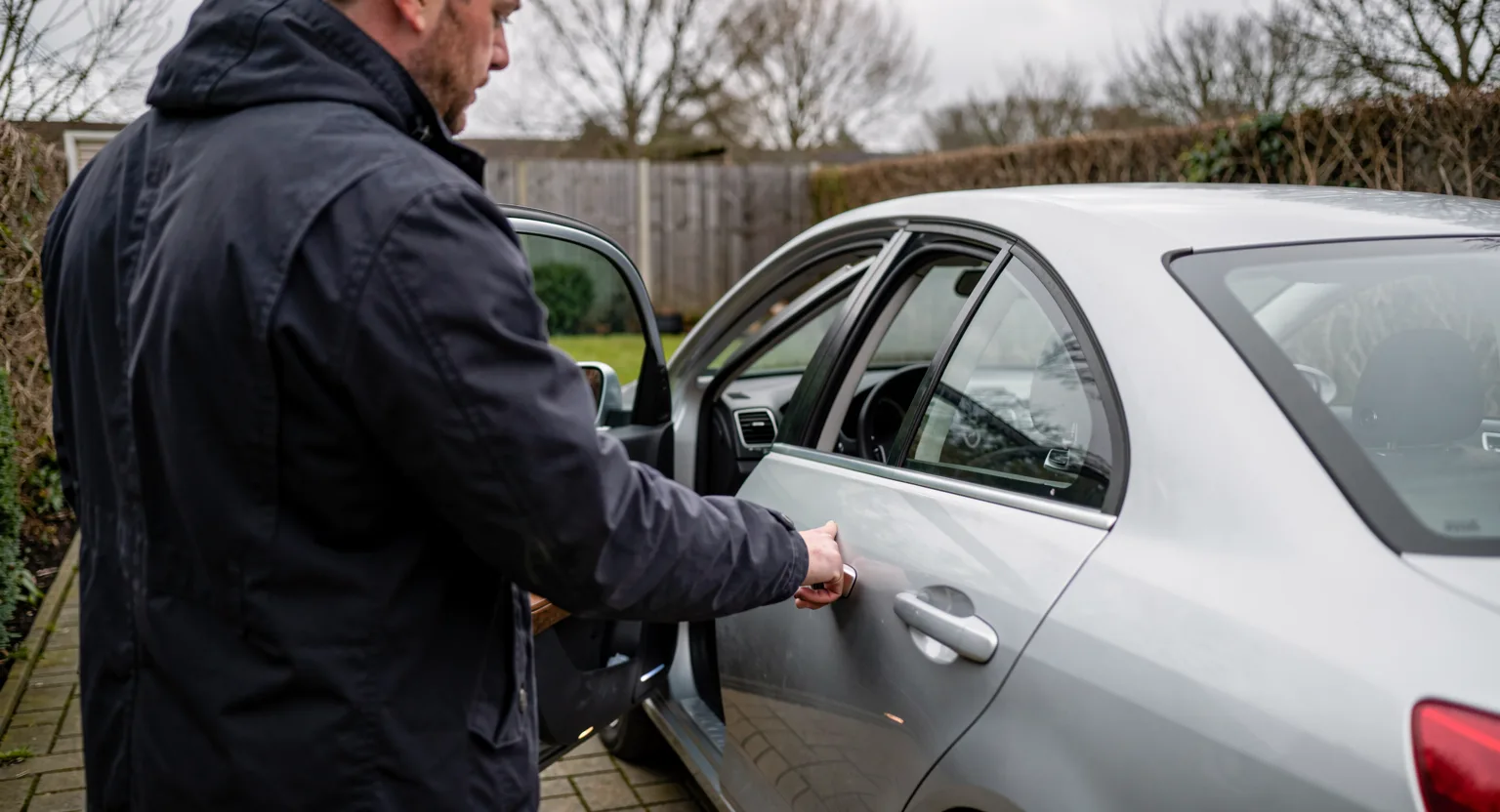
Deposit and excess are different things
This is the most frequent confusion, and it is expensive.
| Deposit | Excess | |
|---|---|---|
| When paid | before the rental starts | after an at-fault accident |
| Returned | yes, if returned undamaged | no |
| Size | 500–5000 PLN | set by the contract |
| Removed by having no deposit | — | no |
"We don't take a deposit" does not mean "we won't take money from you if you damage the car". They are two independent clauses.
What to ask when there is no deposit
One question settles it:
What compensates for the absent deposit — the rate, the excess, or a cut of turnover?
An honest firm will point at the clause. If the answer is "we simply trust our drivers", the risk is still somewhere; you just have not been shown it yet.
Warning signs
- A cash-only deposit with no receipt. There will be nothing to prove at return.
- "No deposit" together with a rate clearly below market. Two concessions at once, both at the fleet's expense, is not a business model.
- No written contract. Then there is nothing to discuss: in a dispute you will be citing chat messages.
- Refusal to state the excess. That is where the compensation usually hides.
→ Fleet partners: how to choose, nine questions
How to protect a deposit you have paid
Ten minutes on collection day are worth more than any negotiation afterwards:
- Photograph the car from every side, including wheels, glass and interior.
- Record a video walk-around — more convincing than separate stills.
- Note the odometer and fuel level.
- Check that every noted defect is on the handover form. Not "we know about that", but written down.
A deposit dispute is almost always won by whoever has dated photographs.
→ The complete guide to renting for ride-hailing · What renting costs in Warsaw
In the ViroCars catalogue the deposit, excess and the weekly and monthly rate are listing fields, so the "no deposit but pricier" variant is visible before the conversation rather than after the first settlement.
Sources: olx.pl (market terms and deposits, August 2026) · abupartner.pl · brl-auto.com
Frequently asked
You can, but rarely, and almost always with compensation elsewhere: a higher weekly rate, a higher excess, or a cut of turnover. A genuinely free absence of deposit does not exist — somebody carries the risk.
The deposit is paid in parts out of your first weeks of work rather than up front. It is the most realistic option for a driver without savings and it is fairly common. It must be written into the contract.
Most often 500–5000 PLN depending on the class of car. Economy cars sit near the bottom of that range, Comfort and XL near the top.
If the car is returned without new damage and there are no arrears, yes. Deductions can be made for damage, missing fuel, fines and excess mileage. Photos from collection day are the only real protection in a dispute.
A deposit is money you pay in advance and get back. The excess is what you pay after an at-fault accident, and it does not come back. Having no deposit does not remove the excess.