
Renting
An accident in a rented ride-hailing car: what to do, step by step, and what it costs
25.08.2026 · 8 min read
After an accident in a rented car the order is: make the scene safe, call the police if anyone is injured or fault is disputed, complete a joint statement for minor damage, photograph everything at the scene, and only then call the fleet. What you pay is not the repair but the excess — a fixed sum in the contract, usually 1,000–5,000 PLN — and it does not depend on whether the car has comprehensive cover.

The order of actions at the scene
The order matters: it runs from what cannot wait to what can.
1. Safety
Hazard lights, warning triangle, people off the road. Everything else can wait a minute. This is the only step where delay is genuinely dangerous.
2. Injuries
If anyone is hurt, call the emergency services immediately and do not move the vehicles until they arrive. There are no variants here.
3. Police or joint statement
| Situation | What to do |
|---|---|
| Anyone injured | police, mandatory |
| Fault is disputed | police |
| Other driver intoxicated or without documents | police |
| Minor damage, fault admitted, both agree | a joint statement is enough |
The joint accident statement is a form both drivers complete. It saves hours, but it only works where fault is not in dispute.
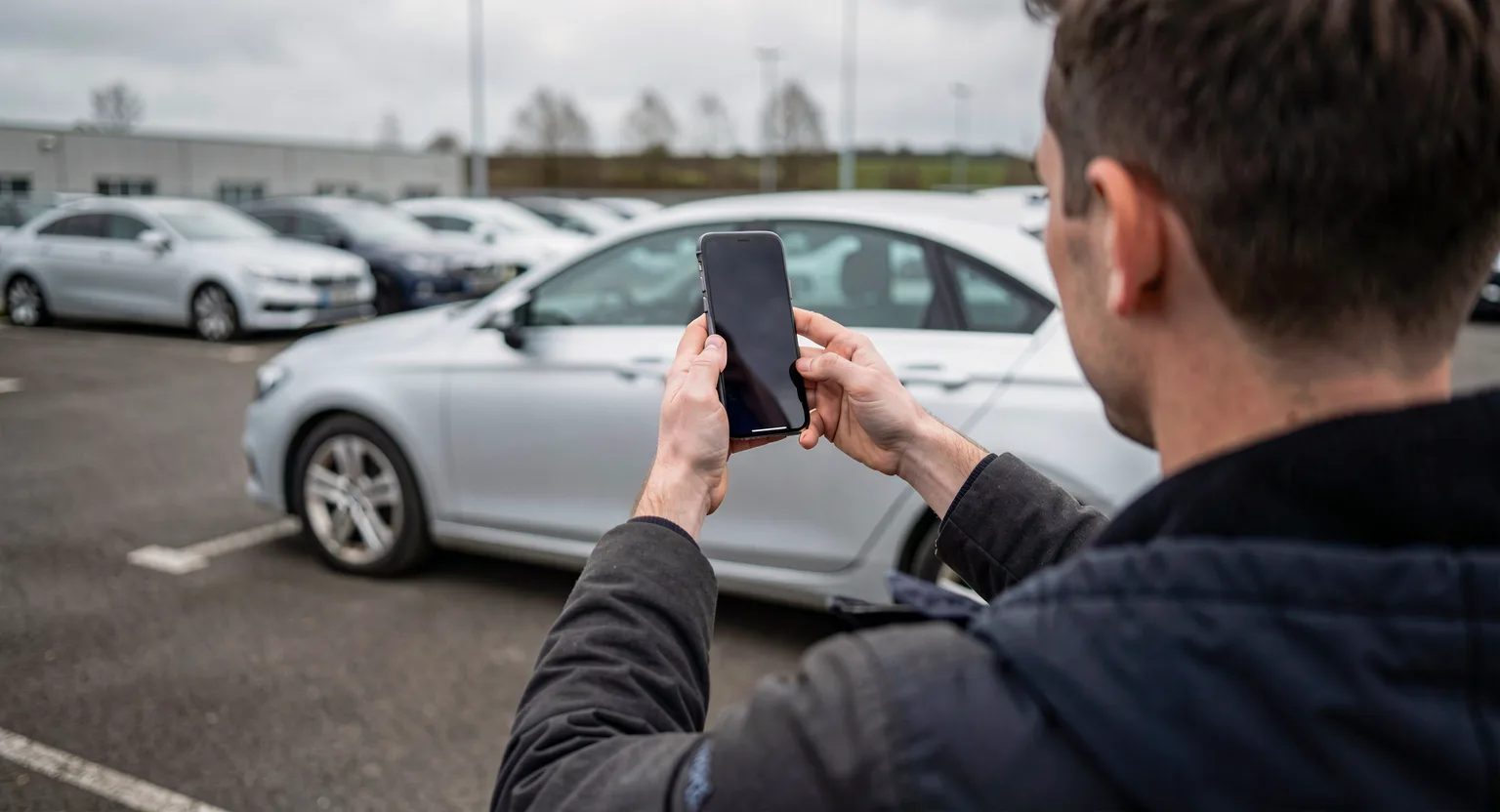
4. Photographs — before anything is moved
This is the step drivers most often skip and most often regret.
Photograph:
- the wide shot — both vehicles as they came to rest;
- the damage to both cars close up, from several angles;
- both registration plates;
- the road environment — markings, signs, surface condition;
- the other party's documents and insurance certificate.
5. The other party's details
Name, phone number, policy number and insurer. A refusal to provide them is itself reason enough to call the police.
6. Only now, call the fleet
The fleet will not arrive faster than the police and cannot replace the statement. Notifying them is necessary, but it is fifth in order, not first.
What you will pay
This is where the industry's biggest misunderstanding lives.
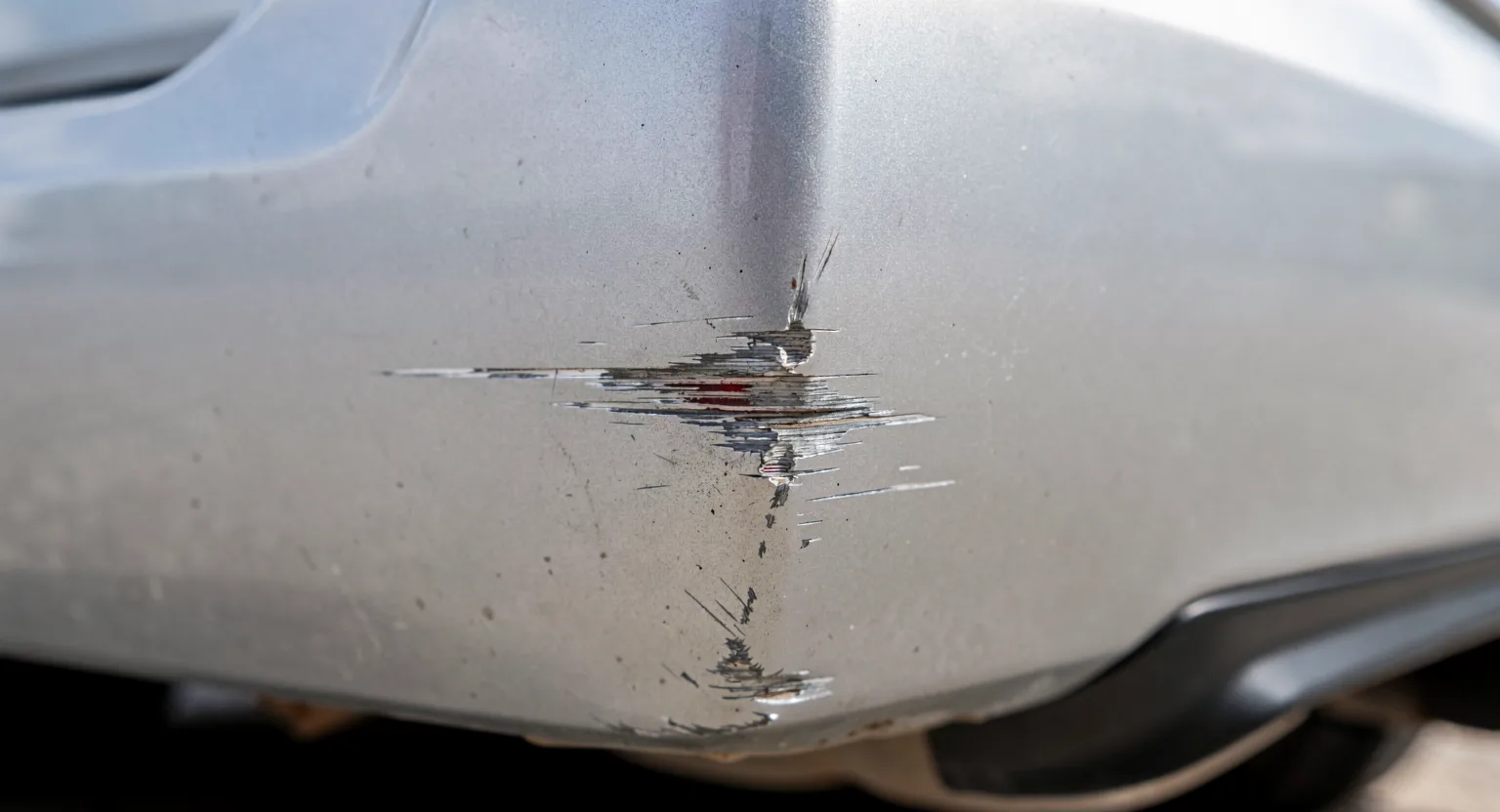
A driver hears "we have full insurance" and reads it as "I pay nothing". In practice the comprehensive cover pays for the repair, but the contract still contains an excess — a fixed sum that you pay.
| Scenario | Who pays |
|---|---|
| The other driver was at fault | their third-party insurance; you usually pay no excess |
| Your fault, comprehensive cover with an excess | you pay the excess, usually 1,000–5,000 PLN |
| Your fault, no excess specified in the contract | you may be liable for the whole repair |
| Damage minor, cheaper than the excess | sometimes better settled directly with the fleet |
The last row explains why the right question at signing is not "is there comprehensive cover" but "what is the excess, in złoty".
The second cost everyone forgets
Downtime.
The car goes in for repair, and one contract clause decides everything: whether the rent is suspended for that period and whether you get a replacement car.
At 750 PLN a week, a week in the workshop costs you 750 PLN of rent plus all the earnings you did not make — around 2,500–3,000 PLN in total. That is more than most excesses.
→ What a rental includes and what it never does
What not to do
- Do not leave the scene. Even after minor contact, it changes how the incident is treated.
- Do not admit fault verbally if you are not certain. Fault is determined by the circumstances, not by a roadside conversation.
- Do not settle "in cash on the spot" in a rented car. The car is not yours, and the damage will surface at return anyway — only then without a report and without insurance cover.
- Do not postpone notifying the fleet until the end of your shift. Notification deadlines are usually in the contract.
What to check in advance, so it is not a surprise
Four things worth knowing before your first fare rather than after a collision:
- The excess, in złoty.
- Whether the rent runs while the car is being repaired.
- Whether a replacement car is provided, and how quickly.
- The deadline for notifying the fleet of an incident.
→ Fleet partners: nine questions before signing · The complete guide to renting for ride-hailing
In the ViroCars catalogue the excess appears on the listing alongside the rate, deposit and mileage cap, so it is visible before you contact the fleet.
Sources: standard ride-hailing rental contract terms in Poland (August 2026) · abupartner.pl · brl-auto.com
Frequently asked
Making the scene safe: hazard lights, warning triangle, people off the carriageway. Documents and phone calls come after. The fleet is not first in the queue.
Usually the excess — a fixed sum in the contract, most often 1,000–5,000 PLN, not the full repair cost. But if no excess is specified, you may be liable for the whole repair.
No. Injuries, disputed fault, an intoxicated driver or one without documents all require the police. For minor damage with both parties in agreement, a joint statement is enough.
It depends on the contract, and it is one of the most expensive lines in it. Good version: rent suspended or a replacement car. Bad version: rent runs while you earn nothing.
Then their third-party insurance covers the repair and you usually pay no excess. But you have to prove it — which is exactly why photographs and the other party's details matter most in this scenario.