
Taxi work
Driving for the apps without your own car: three routes and what each costs
25.08.2026 · 7 min read
There are three ways to drive for the apps without owning a car: rent one and keep everything above a fixed weekly rate, drive a fleet car for a percentage of turnover, or take employment as a driver on set shifts. Renting pays most at full-time hours, the percentage model carries less risk on an unstable schedule, and employment gives predictability with a ceiling on income.

Three routes, not one
Most writing about this job describes renting only, because it is the most common arrangement. But there are three, and they differ less in money than in who carries the risk of a weak week.
| Renting | Percentage of turnover | Employed driver | |
|---|---|---|---|
| You pay for the car | a fixed rate | a share of turnover | nothing |
| Fuel | yours | usually yours | usually the fleet's |
| Who risks a weak week | you | shared | the fleet |
| Income ceiling | none | lower | the rate |
| Schedule freedom | full | high | shift-based |
| Suits | full-time work | an unstable schedule | needing predictability |
1. Renting
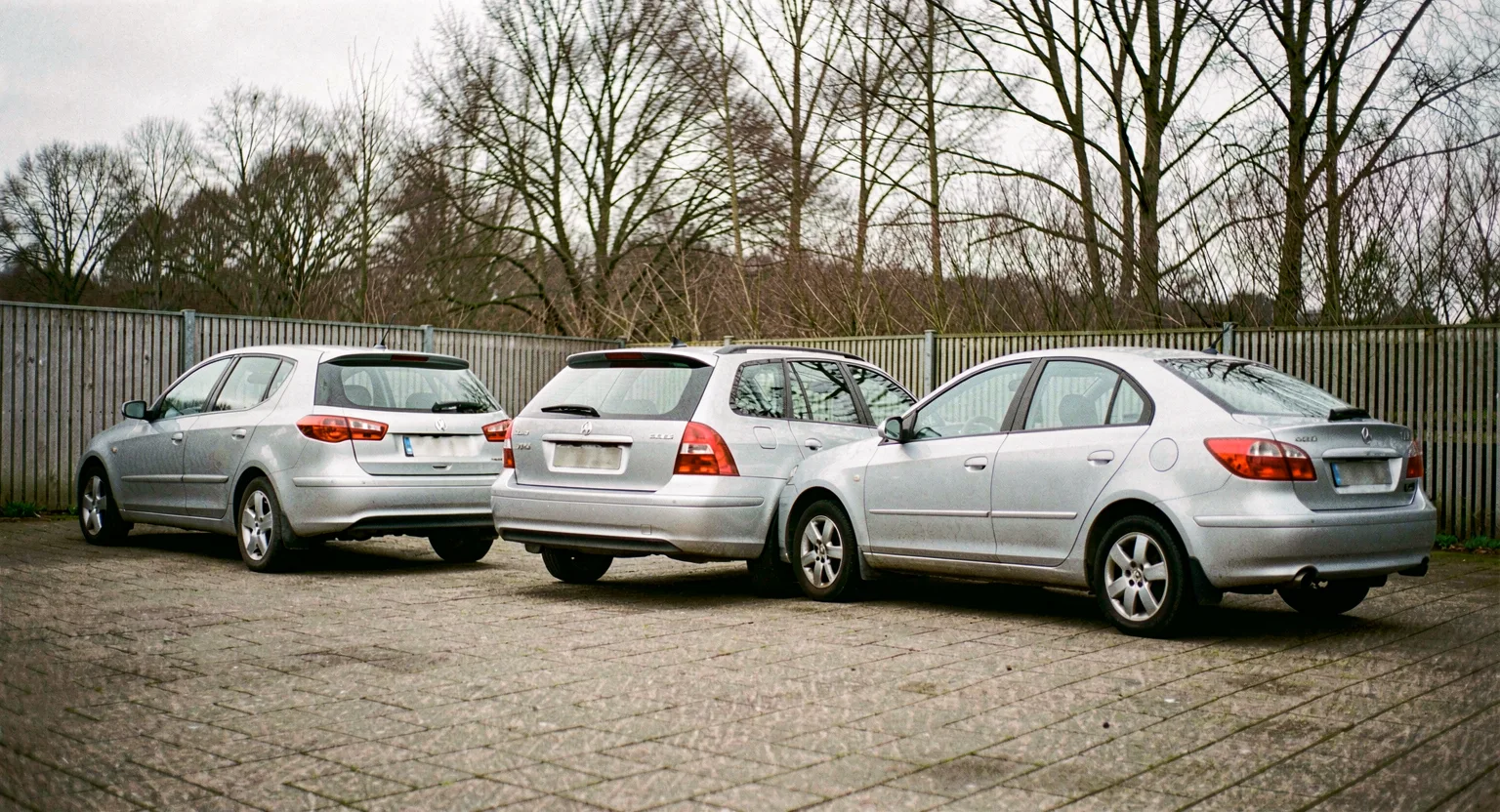
The most common arrangement and the most lucrative at full-time hours. You pay 550–1,500 PLN a week depending on class and city, and everything above that is yours.
Upside: no ceiling. More hours worked, more money kept.
Downside: the rate runs whether you drove or spent the week with a fever. A week off the road costs a full week's rate and nobody refunds it.
This suits someone confident of driving five or six days a week.
→ The complete guide to renting for ride-hailing · What Bolt and Uber drivers earn
2. A percentage of turnover
The fleet provides the car and takes a share of your takings instead of fixed rent. The share is usually substantial — that is the price of sharing the risk of a weak week.
Upside: in a week when you barely worked, you barely owe anything.
Downside: in a strong week you hand over noticeably more than a fixed rate would have cost. At full-time hours this model consistently loses to renting.
This suits starting out, and an unstable schedule.
3. Employment as a driver
You work shifts for an agreed amount. The car, fuel and servicing are not your concern.
Upside: predictability. You know the figure in advance, and weak demand is the employer's problem.
Downside: the ceiling. You cannot earn above your rate however well the week goes, and you do not set the schedule.
This suits someone who values stability over maximum earnings.
What all three share
The formal requirements do not depend on the model:
- a Polish driving licence — mandatory since 17 June 2024;
- 185 days of residence for foreign nationals;
- a passenger transport licence — yours, or that of the carrier you work for;
- identity verification in the app.
Anyone offering to "start tomorrow, no paperwork" is offering to work outside the law — and you will be the one exposed, not them.
→ The Polish licence and the 185-day rule · The full document list
How to choose
One question settles most of it: how many days a week will you realistically drive?
- Five or six, consistently → renting. It gives the most.
- Three or four, or a shifting schedule → the percentage model. A fixed rate will eat you.
- You need a predictable figure and do not want the risk → employment.
And a second, less obvious question: do you have a buffer for two idle weeks? If not, renting at the start is risky however much you plan to work. Illness, breakdowns and paperwork problems happen, and the rate keeps running.
→ How to become a Bolt or Uber driver — step by step · Fleet partners: how to choose
Moving between models
The usual path: start on a percentage or employment → after a month or two you know your numbers → move to renting once the work has proved durable and the schedule holds.
The reverse happens too: a renting driver whose circumstances change goes back to a percentage to avoid paying a fixed rate during a period of driving less.
In the ViroCars catalogue the weekly and monthly rate, deposit and terms are visible before you contact the fleet, so comparing renting against your current percentage takes an evening rather than trial and error.
Sources: mbpartners.pl and nova-partner.pl (working models and earnings) · olx.pl (rental rates, August 2026) · notesfrompoland.com
Frequently asked
At full-time hours, renting. You pay a fixed rate and keep everything above it. But in a weak week the rate runs anyway, so all the risk is yours.
The fleet provides a car and takes a share of your turnover instead of fixed rent — usually a substantial one. In a weak week you pay less, in a strong week more. The risk is shared and so is the upside.
Yes, that model exists, more often with larger carriers. You get a set amount for your shifts and pay for neither car nor fuel, but you cannot earn above the rate.
A Polish driving licence since 17 June 2024, 185 days of residence for foreign nationals, and a passenger transport licence. No model exempts you from those.
With the percentage model or employment. Both let you try without committing to a fixed weekly payment. Move to renting once you know your own numbers.