
Taxi work
How to become a Bolt or Uber driver in Poland: a step-by-step plan for 2026
25.08.2026 · 8 min read
To start driving for Bolt or Uber in Poland you go through six steps in order: regularise your residence, exchange your licence for a Polish one (foreign nationals after 185 days of residence), complete medical and psychological assessments, obtain a criminal-record certificate, get the city's passenger transport licence, and register with the app. The car comes last, because rent runs whether or not the paperwork is ready.

Six steps, in order
The order is not a suggestion — it is how you avoid losing money. Each step depends on the previous one, and the car rental is the only one that costs money every single day.
| # | Step | How long |
|---|---|---|
| 1 | Legal residence and an address | depends on your situation |
| 2 | Exchange your driving licence | weeks; foreign nationals after 185 days of residence |
| 3 | Medical and psychological assessments | days, can run parallel to step 2 |
| 4 | Criminal-record certificate | quick, but easy to forget |
| 5 | Passenger transport licence | depends on the city |
| 6 | App registration | days |
| 7 | The car | last |

Steps 1–2: residence and licence
This is the foundation and there is no way around it.
Since 17 June 2024 an app driver in Poland must hold a Polish driving licence, and a foreign national must document at least 185 days of residence in the calendar year. Before that date Ukrainian, Georgian and other foreign licences were enough; not any more.
The market effect was visible: Uber forecast losing 15–30 % of drivers, and the industry body TOR around 10 % nationally and up to 30 % in Warsaw. For someone entering the trade now, that means less competition for fares but a higher barrier to entry.
→ The Polish licence and the 185-day rule
Steps 3–4: certificates
The medical and psychological assessments are required to carry passengers; the criminal-record certificate is required for the licence. Neither depends on the licence exchange, so it is sensible to run them in parallel with step 2.
One practical detail: the assessments expire. Done too early, a delay on the licence means repeating and paying for them twice.
Step 5: the licence
The passenger transport licence is issued by the city with jurisdiction over your place of business, not by the app or the fleet. There is no single national price: the fee depends on the validity period you apply for and the number of vehicles.
→ The taxi licence: cost and requirements · The full document list
Step 6: registration and verification
Two words newcomers hear a lot: verification and branding.
Verification is the check on the driver's identity and the car's condition. It became mandatory after the 2024 changes: an app account can no longer simply be handed to somebody else.
Branding or stickers are the visual identification required by the city or the platform. The fleet usually handles it, but agree in advance who pays.
Step 7: the car, last
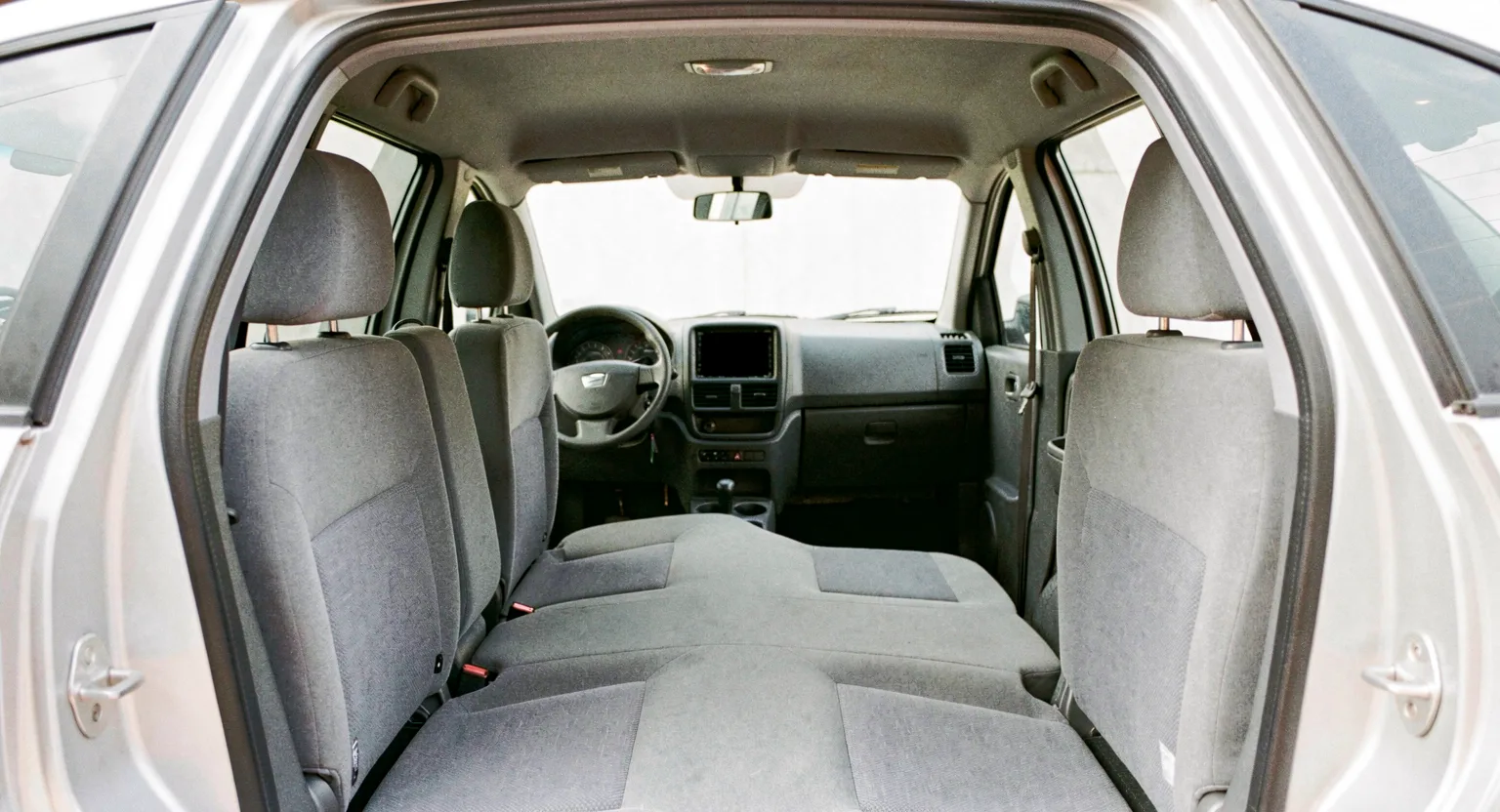
The most common and most expensive beginner's mistake is taking a car "so it's ready" while the paperwork is still moving. At 750 PLN a week, three weeks of waiting is 2,250 PLN spent before the first złoty earned.
Once the documents clear, choosing a car becomes ordinary arithmetic: urban fuel consumption, mileage cap, excess, and permission to work several apps.
→ Which car to choose · What a rental includes and what it never does
Fleet or your own business
Two workable routes:
- Through a fleet partner. Simpler to start: the fleet handles part of the formalities. In exchange, a commission and less freedom.
- Your own business registration. More freedom and more money retained, but contributions, tax and filing come with it.
Most drivers start through a fleet and move to their own registration once the work proves long-term.
→ Fleet partners: how to choose, nine questions
What to expect in the first month
Honest benchmarks, so the first weeks do not disappoint:
- Week one is slower than the ones after. You do not yet know the city as a driver does: where the demand sits, where you cannot turn around, where parking eats ten minutes.
- Full-time is 45–55 hours behind the wheel per week. Three days a week does not cover rent and fuel.
- Turnover of 6,000–9,000 PLN a month at full-time hours; 3,500–5,500 PLN retained after costs.
→ What Bolt and Uber drivers earn · The complete guide to renting for ride-hailing
Sources: notesfrompoland.com (licence requirement, verification, forecasts) · uber.com/pl (driver requirements) · mbpartners.pl (earnings) · boltua.com (Bolt's Polish cities)
Frequently asked
With residence already settled and the 185 days behind you, usually a few weeks, most of it the licence exchange and the city licence. If you have just arrived, the count starts from those 185 days of residence.
The paperwork, always. Rent runs from day one, and no office moves faster because you are paying for a rental. The car comes last, when it can start earning.
Not necessarily. Through a fleet partner you can often work on a contract without one. Your own registration gives more freedom and usually more money retained, but adds contributions and filing.
Verification is the check on driver identity and vehicle condition, mandatory since 2024. Branding or stickers are the visual identification required by the city or the platform. Both happen before your first fare.
Technically yes, and most drivers do — it is the main way to cut idle time. The constraint is the fleet agreement, so ask before signing.