
Cities
Renting a car for Uber and Bolt in the Tricity: rates, season and three cities
25.08.2026 · 8 min read
Renting a car for ride-hailing in the Tricity usually costs 600–900 PLN a week for an economy car and 900–1400 PLN for Comfort class, plus a 500–5000 PLN deposit. One local factor matters above all: this is not one city but three strung along a single axis, so mileage per fare is higher than in Poznań or Kraków — which pushes the choice towards low fuel consumption and generous mileage caps.
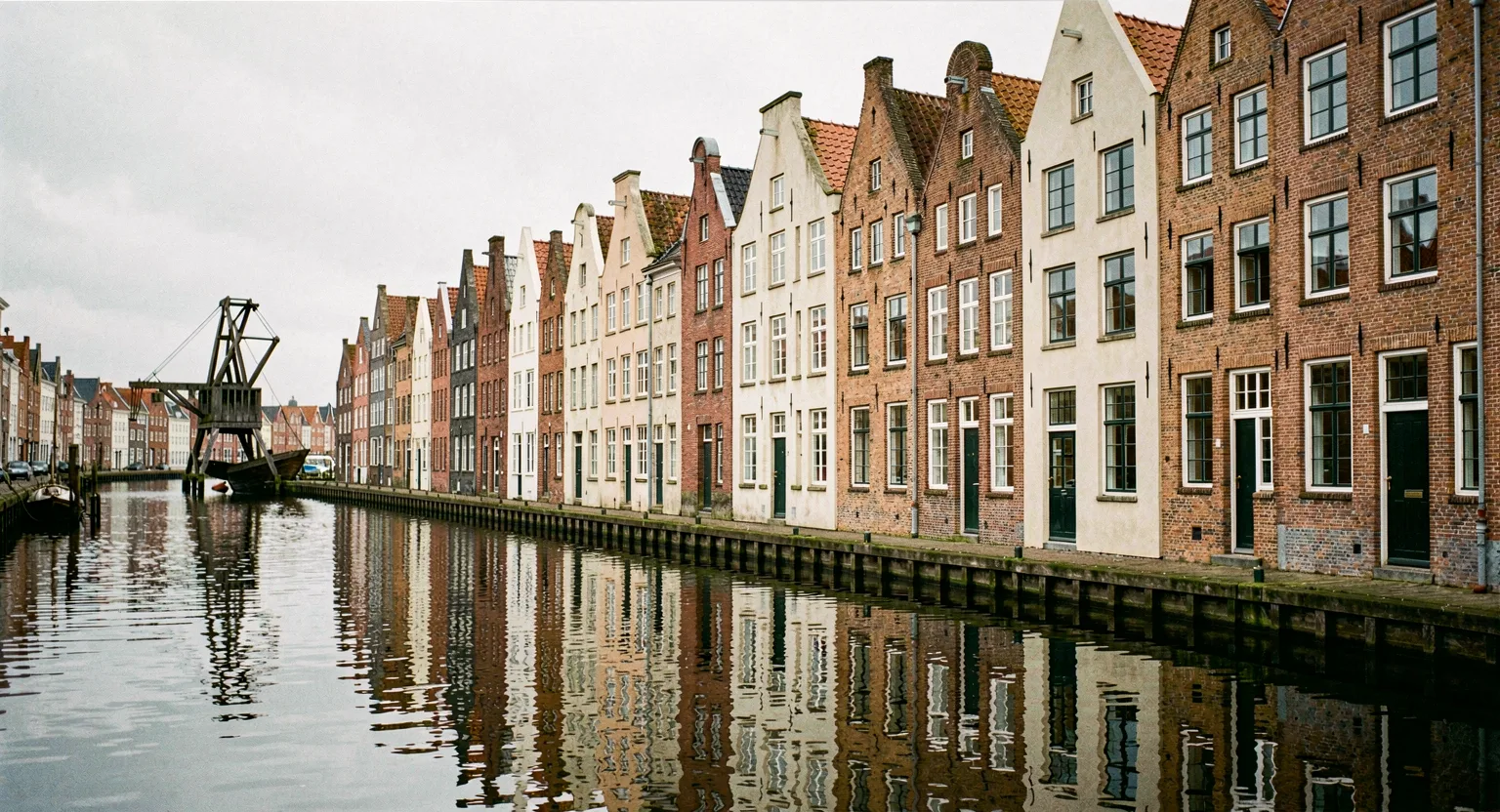
What a car costs
| Class | Rate / week | Deposit |
|---|---|---|
| Economy (hybrid, LPG) | 600–900 PLN | 500–1500 PLN |
| Standard | 800–1100 PLN | 1000–2500 PLN |
| Comfort / XL | 900–1400 PLN | 2000–5000 PLN |
The Tricity is one of the seven Polish markets Bolt operates in, alongside Warsaw, Poznań, Wrocław, Silesia, Łódź and Kraków. Rates sit close to Kraków and Wrocław, clearly below Warsaw.
This is not one city
That distinction changes the arithmetic; it is not a geographical footnote.
Gdańsk, Sopot and Gdynia form a belt tens of kilometres long. A "centre to centre" fare here can be three times the length of the equivalent in Poznań. The consequences are concrete:
- higher weekly mileage for the same number of fares;
- the mileage cap stops being a formality — 2,500 km a week can run out on Thursday;
- fuel consumption weighs more than in a compact city, because routes are longer and faster;
- a higher average fare, which partly offsets the above.
When choosing a car that means one thing: ask about the mileage cap before you ask about the rate.
Seasonality: milder than people say
The common belief is that the coast has a three-month season and then nothing. That is a simplification.
The peak really is a summer one and it is pronounced. But out of season demand rests on three pillars that have nothing to do with the beach: port and logistics traffic, a business component, and a large student population. Winter removes tourist fares, not the market.
The practical conclusion: if you plan to work the season only, note that rental rates out of season will not fall the way fare volume does. A monthly agreement is safer here than a six-month commitment.
Airport and port
Two sources of long fares, both carrying the same trap as Kraków: the return leg decides. A well-paid airport run followed by forty minutes driving back empty is no longer a well-paid run.
Experienced drivers plan this around arrival times rather than hope. The skill takes a few weeks to acquire, and no choice of car substitutes for it.
Paperwork: no exceptions
Since 17 June 2024 an app driver needs a Polish licence, and a foreign national documented residence of 185 days. The passenger transport licence comes from the city with jurisdiction over your place of business — in a three-city conurbation, settle that at the start rather than afterwards.
→ The Polish licence and the 185-day rule · The taxi licence: cost and requirements
What to check in the contract here
The order differs from a compact city because the risk profile does:
- The mileage cap and the excess-mileage charge — here it is question one.
- The insurance excess.
- Who pays for servicing and tyres — at higher mileage, wear arrives sooner.
- Whether you may also work another fleet.
→ The complete guide to renting for ride-hailing · Which car to choose
In the ViroCars catalogue the mileage cap, weekly and monthly rate, deposit and excess are listing fields — so question one is answered before you call.
Sources: boltua.com (Bolt's Polish cities) · olx.pl (market rates, August 2026) · notesfrompoland.com (Polish licence requirement)
Frequently asked
Usually 600–900 PLN a week for an economy hybrid or LPG car and 900–1400 PLN for Comfort. That sits close to Kraków and Wrocław.
The peak is clearly a summer one, but the baseline holds all year on business, port and university demand. Winter cuts tourist fares, not the whole market.
Yes. Trips between Gdańsk, Sopot and Gdynia are longer than typical fares in a compact city, so weekly mileage climbs. A 2,500 km cap can be a real constraint rather than a formality.
They are long and well paid, but the return leg decides. An empty run back from the airport can turn a good fare into an average one — exactly as in Kraków.
Economical, with a real boot. Longer routes reward low consumption; airport and tourist traffic rewards luggage space.