
Renting
The rental deposit: how much, when it comes back, and what gets deducted
25.08.2026 · 7 min read
A ride-hailing rental deposit is most often 500–5,000 PLN depending on the class of car. It comes back once the car is returned without new damage and with no arrears, usually within a few days to two weeks. Deductions can be made for damage, missing fuel, fines, excess mileage and missing equipment — and the only real protection against a dispute is photographs taken on collection day.

How much it is
| Class | Typical deposit |
|---|---|
| Economy (hybrid, LPG) | 500–1,500 PLN |
| Standard | 1,000–2,500 PLN |
| Comfort / XL | 2,000–5,000 PLN |
The size is not arbitrary: the deposit covers roughly what the fleet genuinely risks on one typical incident — a scuff, a dent, a set of tyres.
The deposit is not the excess
Two different mechanisms, and confusing them is expensive.
| Deposit | Excess | |
|---|---|---|
| When paid | before the rental starts | after an at-fault accident |
| Returned | yes, if the car comes back undamaged | no |
| Size | 500–5,000 PLN | set by the contract |
After an at-fault accident you can pay both: the excess as the cost of the incident, and a deduction from the deposit for anything beyond it.
→ An accident in a rented car — what to do
What gets deducted
In descending order of frequency:
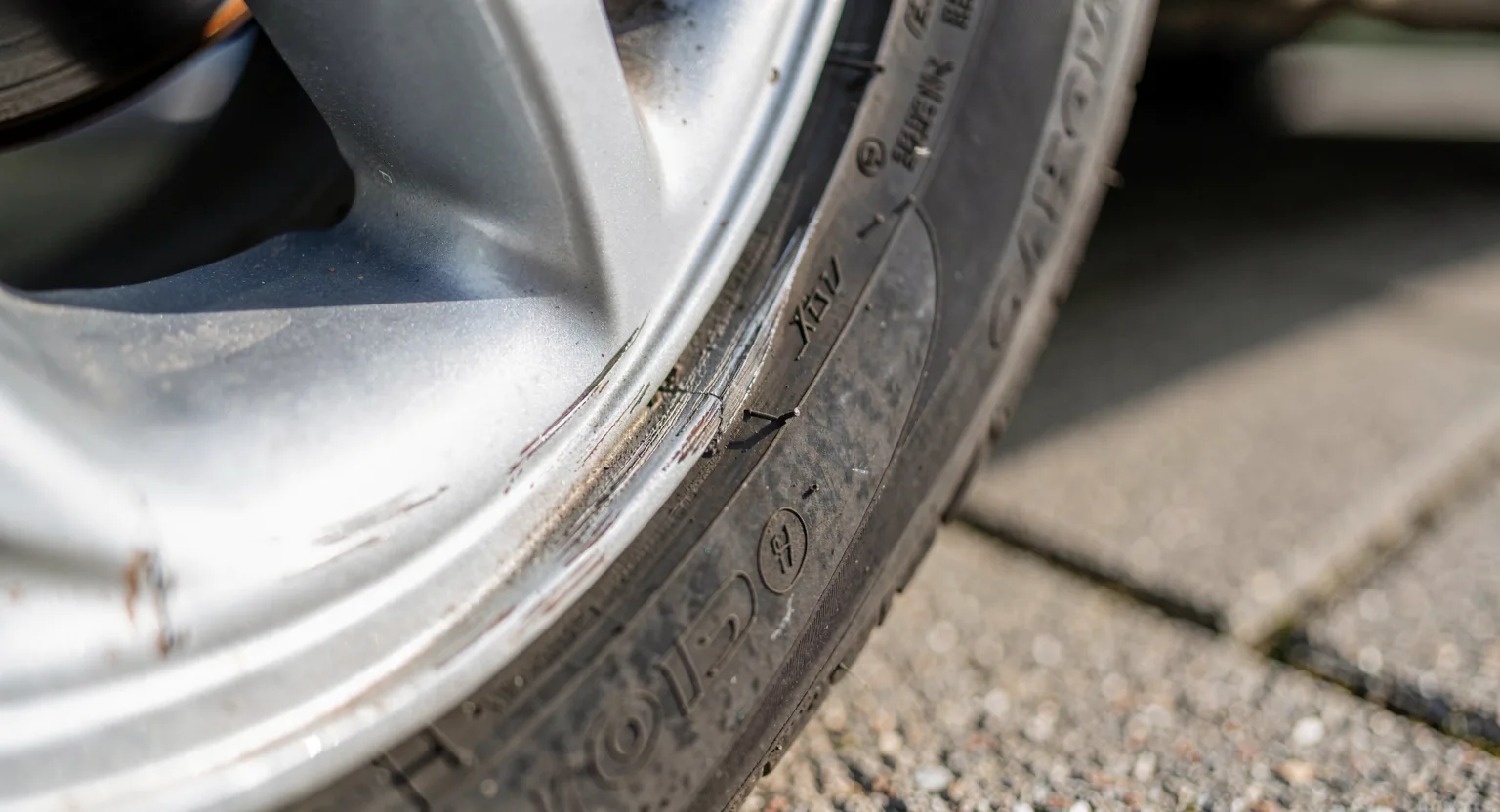
- Scuffed wheels. The clear number one and the most disputed, because they are hard to date.
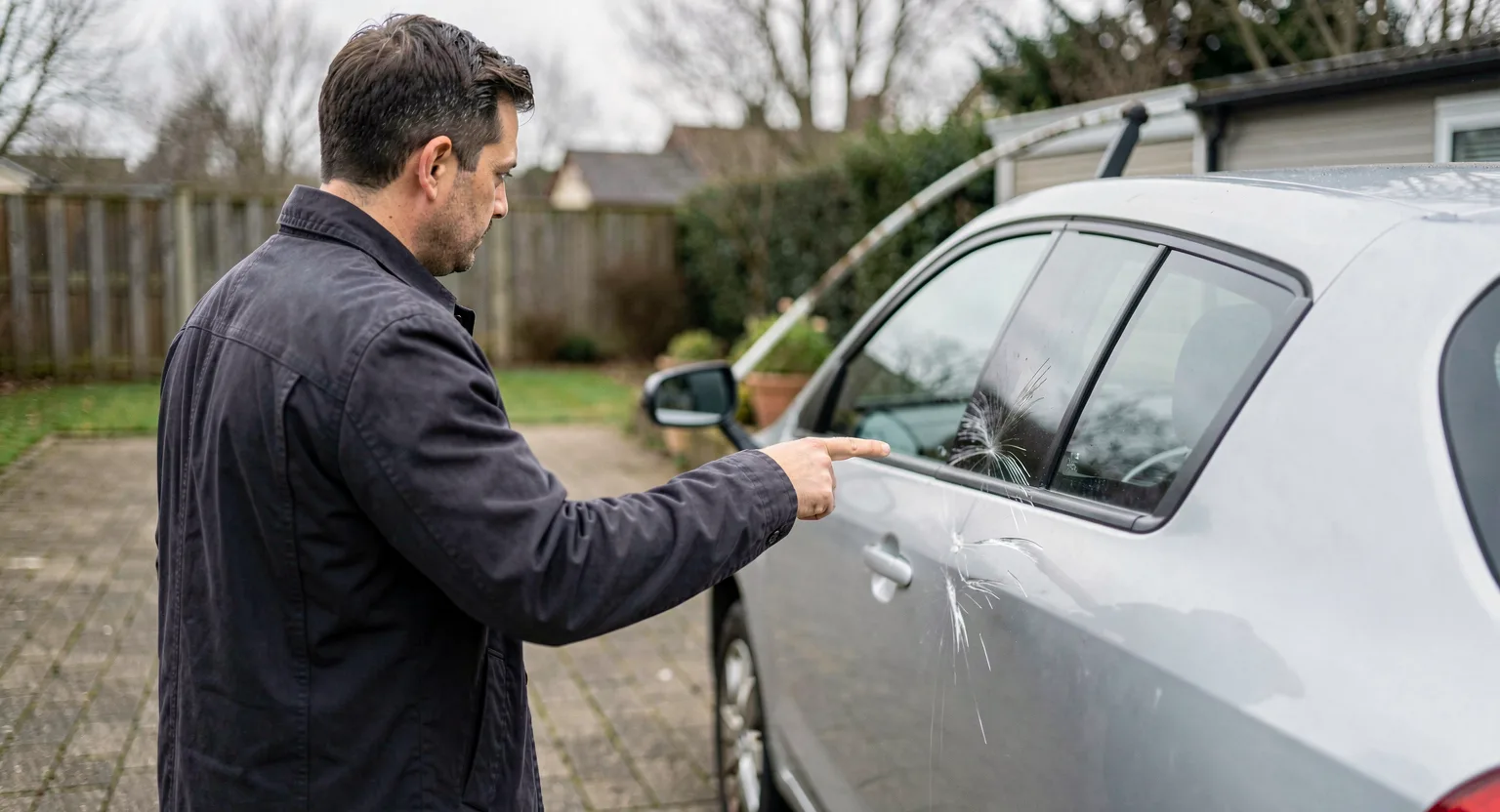
- Bodywork damage — scratches, dents, a cracked bumper.
- Missing fuel against the level at handover.
- Fines issued during the rental period.
- Exceeding the mileage cap, if it was not settled as you went.
- Missing equipment — warning triangle, extinguisher, spare wheel, mats.
- Returning the car needing more than routine cleaning.
The ten minutes that decide everything
A deposit dispute is settled at return, but won by whoever photographed the car at collection. It is the cheapest insurance in this business.
On handover day:
- Walk around the car filming video. One continuous take beats ten separate photos: it shows context and cannot be dismissed as "old".
- Photograph each wheel separately. This is item number one on the deduction list.
- Take close-ups of every existing scratch and dent.
- Photograph the odometer and fuel level.
- Look in the boot — triangle, extinguisher, spare wheel or repair kit.
- Check the handover form. Every visible defect must be written on it. "We know about that" is not an entry.
Your photographs carry a date in their metadata. That is enough.
At return
The same procedure in reverse, for the same reason:
- a video walk-around,
- photographs of wheels and bodywork,
- odometer and fuel,
- a return form signed on the spot, with any remarks written in.
If the fleet will not sign a return form, that is a signal in itself.
What to settle before signing
Four questions, thirty seconds each:
- How soon the deposit returns after the car is handed back.
- Whether it can be paid in instalments out of your first weeks.
- In what form — cash, transfer, card hold. Cash without a receipt is a bad answer.
- Exactly what can be deducted — ideally a list in the contract, not from memory.
→ Renting without a deposit — when it exists · Fleet partners: nine questions
In the ViroCars catalogue the deposit and the excess are listing fields alongside the rate and mileage cap — so you know both figures before the conversation.
Sources: standard ride-hailing rental contract terms in Poland (August 2026) · olx.pl · abupartner.pl · brl-auto.com
Frequently asked
Most often 500–5,000 PLN depending on the class of car. Economy cars sit near the bottom of that range, Comfort and XL near the top.
After the car is returned and any damage is settled — usually between a few days and two weeks. The deadline should be in the contract; if it is not, ask for it before signing.
Bodywork and wheel damage, missing fuel, fines, exceeding the mileage cap, missing equipment, and returning the car needing more than routine cleaning.
No. The deposit is security paid up front and returned. The excess is what you pay after an at-fault accident and it does not come back. One incident can trigger both.
With some fleets, yes — out of your first weeks of work. It is a normal practice, but it must be written into the contract rather than agreed verbally.