
Renting
Insurance on a ride-hailing car: why it costs more and who pays
25.08.2026 · 7 min read
A car used for earning is insured differently from a private one: higher mileage and far more hours in traffic mean a higher premium, and the policy must cover carrying passengers for payment. On a rental the fleet usually pays the premium and it is inside the rate — but that does not mean you pay nothing after an accident. Your share of the bill is the excess, usually 1,000–5,000 PLN.
Why a working car costs more to insure
This is not a penalty for driving a taxi; it is a calculation of exposure.
| Private car | Ride-hailing car | |
|---|---|---|
| Annual mileage | 15,000–20,000 km | 80,000–100,000 km |
| Hours in traffic per day | 1–2 | 8–12 |
| Share of urban driving | variable | dominant |
Five times the mileage and many times the hours in dense city traffic mean many times the probability of damage. The premium is simply a price on that probability.
The second point matters more than the price: the policy must cover carrying passengers for payment. A private policy does not include that scope, and after a claim the insurer checks how the car was being used.

Third-party and comprehensive — what each does
| Third-party | Comprehensive | |
|---|---|---|
| Protects | the person you damaged | your car |
| Compulsory | yes | no |
| When you are at fault | pays the other party | pays for your car's repair |
| Your share | none | the excess |
On rentals third-party cover is practically always there; comprehensive with most fleets, but not all. A third-party-only arrangement means that after an at-fault accident your car's repair is not covered at all. That is a different order of risk from a higher weekly rate.
"We have full insurance" — what it actually means
That sentence is the single biggest source of misunderstanding in this business.
It means: comprehensive cover exists, so the repair will be paid for.
It does not mean you pay nothing. The contract still carries an excess — a fixed sum, usually 1,000–5,000 PLN, that you pay regardless of what the repair cost.
So the right question is not "is there comprehensive cover" but "what is the excess, in złoty". The first question gets you a reassuring answer; the second gets you a useful one.
Three questions before signing
Thirty seconds each, all verifiable in the contract rather than in conversation:
- Does the rate include comprehensive cover, or third-party only?
- What is the excess? A figure, not "as per the policy".
- Does the policy cover carrying passengers for payment?
Few people ask the third, and it is the most dangerous: if the answer is no, an insurer can decline the claim and the whole cost falls on you — even though there formally "was insurance".
→ An accident in a rented car — what to do · Fleet partners: nine questions
Where the excess tends to be higher
Worth knowing where it climbs:
- Comfort and XL class cars — costlier repairs, higher excess.
- No-deposit rentals — some fleets offset the missing security precisely through a higher excess.
- Drivers with little experience — less common, but it happens.
The second point deserves attention on its own: "no deposit" and "low excess" rarely appear together. If both are promised, ask to be shown both clauses.
→ Renting without a deposit — when it exists · The rental deposit: how much and when it returns
What it means in numbers
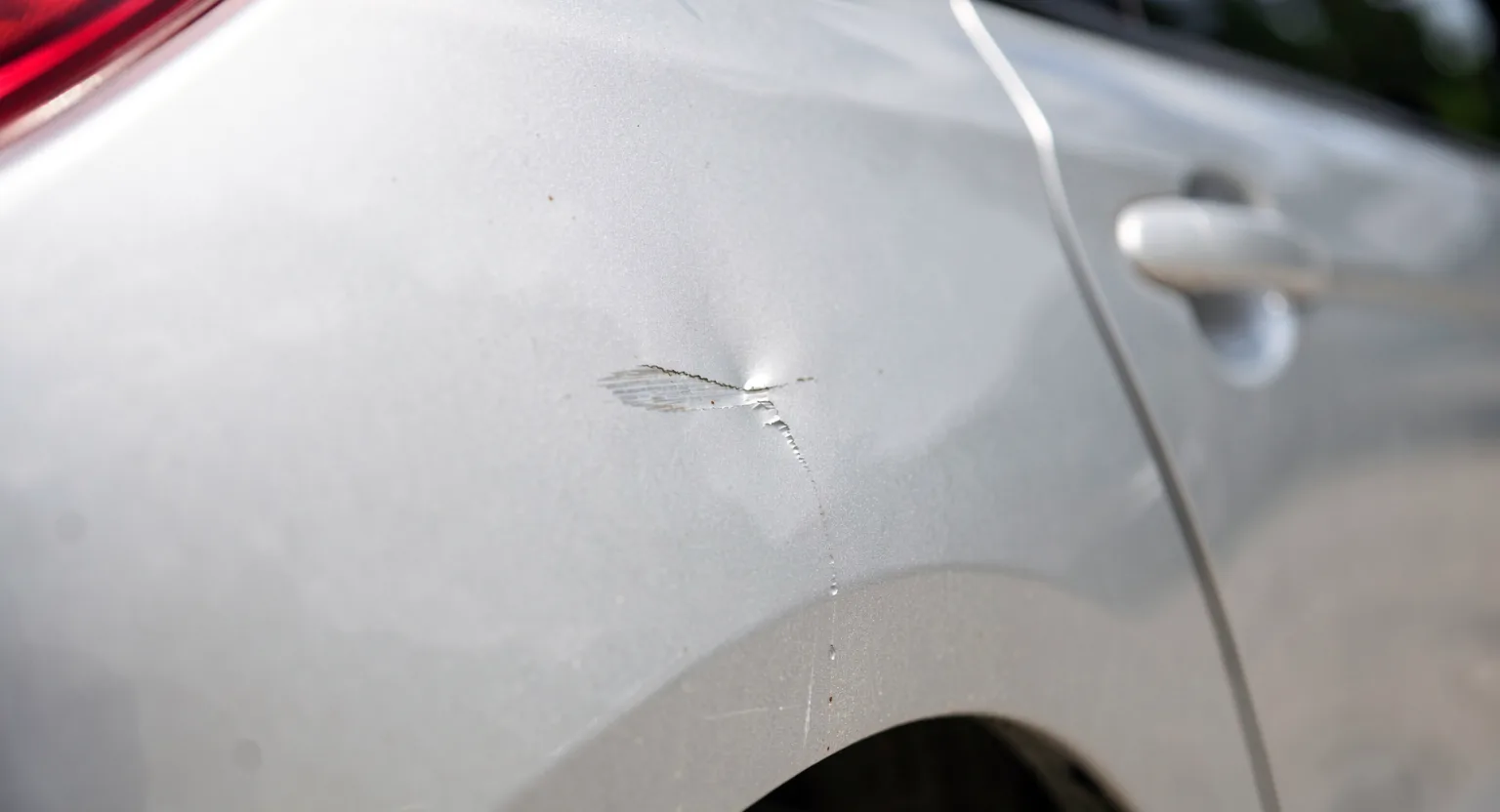
For a typical city knock — scuffed bumper and wing:
| Scenario | Your cost |
|---|---|
| The other driver was at fault | 0 PLN (their third-party cover pays) |
| Your fault, comprehensive with a 1,500 PLN excess | 1,500 PLN |
| Your fault, comprehensive with a 4,000 PLN excess | 4,000 PLN |
| Your fault, third-party only | the whole repair |
The difference between the second and fourth rows is several thousand złoty for exactly the same knock. It comes entirely from clauses you could have checked in fifteen seconds before signing.
→ What a rental includes and what it never does · The complete guide to renting for ride-hailing
In the ViroCars catalogue the excess is a listing field alongside the rate, deposit and mileage cap — so the second of those three questions is answered before you call.
Sources: ride-hailing rental contract practice in Poland (August 2026) · abupartner.pl · brl-auto.com · olx.pl
Frequently asked
Because a working car covers 80,000–100,000 km a year instead of a typical 15,000–20,000 and spends far more hours in city traffic. Higher exposure means a higher premium — not a penalty, an actuarial calculation.
Usually the fleet, and it sits inside the weekly rate. Confirm it on the listing or in the contract, because a third-party-only variant exists and changes your risk completely.
That comprehensive cover exists, so the repair will be paid for. It does not mean you pay nothing: the contract still carries an excess, usually 1,000–5,000 PLN, and you pay it.
No. Carrying passengers for payment must be within the policy's scope. If it is not, the insurer can decline the claim — and the whole cost falls on you.
Whether comprehensive cover is included, what the excess is, and whether the policy covers commercial passenger transport. Three questions, thirty seconds each.